Springfield, IL

Problem Statement
Dorland Inc. faced increasing energy costs and was heavily reliant on non-renewable energy sources, contributing to high carbon emissions. The company needed a cost-effective and sustainable energy solution that aligned with its environmental goals while maintaining operational efficiency.
Objective
To install a large-scale solar power system that would supply a significant portion of the plant’s energy requirements, reducing both operational costs and environmental impact.
Implementation Process
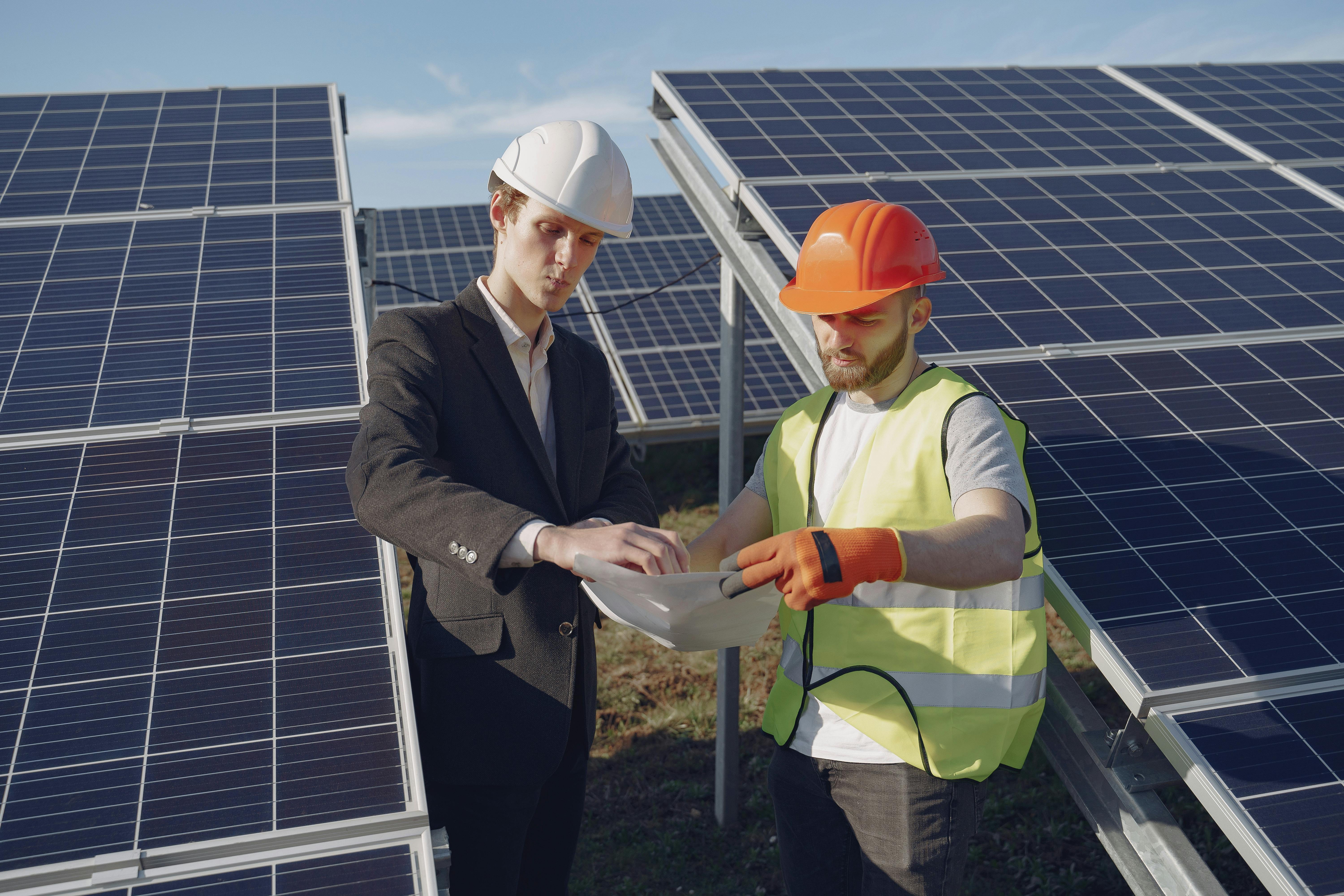
Phase 1: Planning and Design – Conducted site analysis, energy assessments, and structural feasibility studies to determine the best layout and panel positioning.
Phase 2: Procurement – Acquired high-efficiency solar panels, inverters, and mounting systems, ensuring compliance with industry standards.
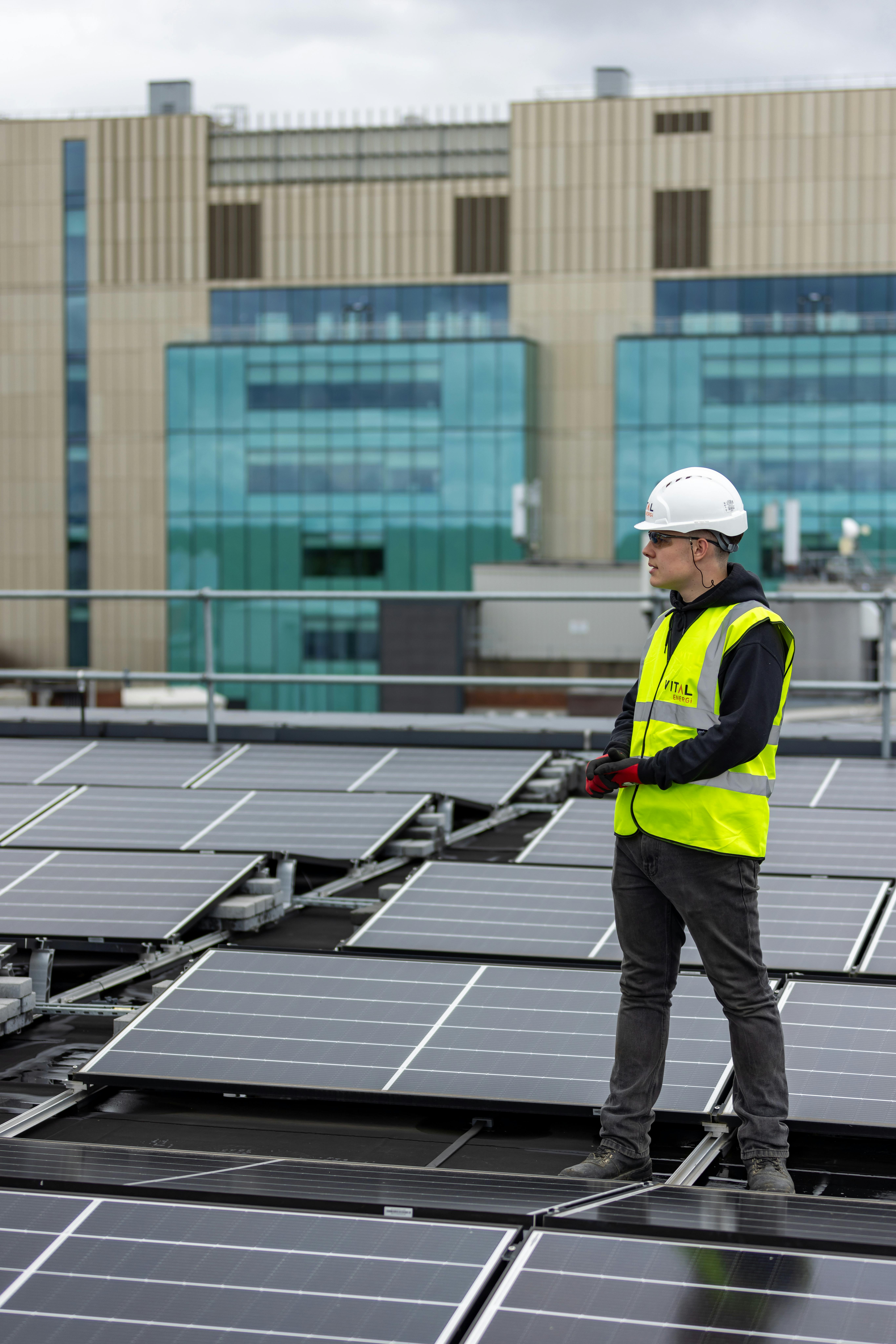
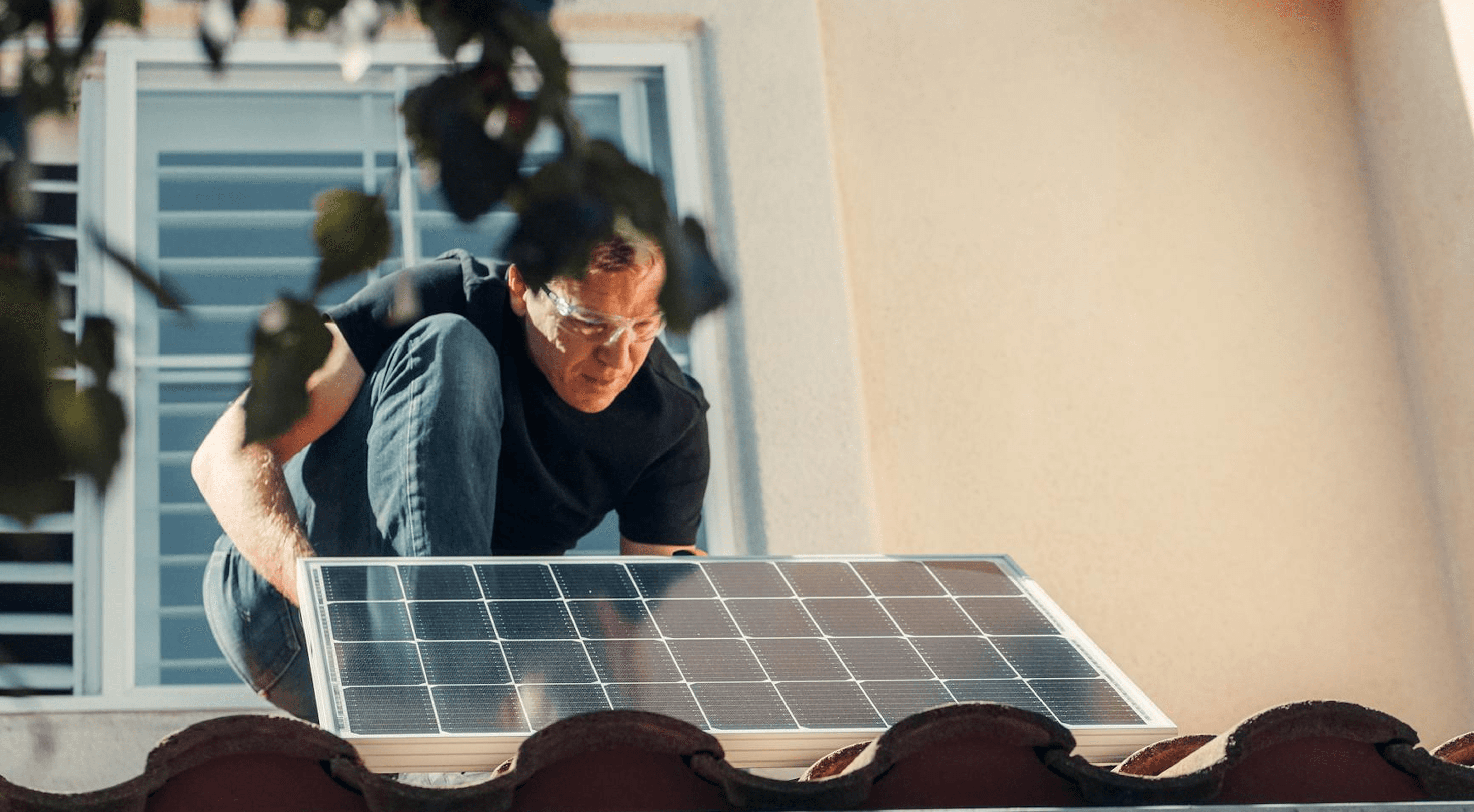
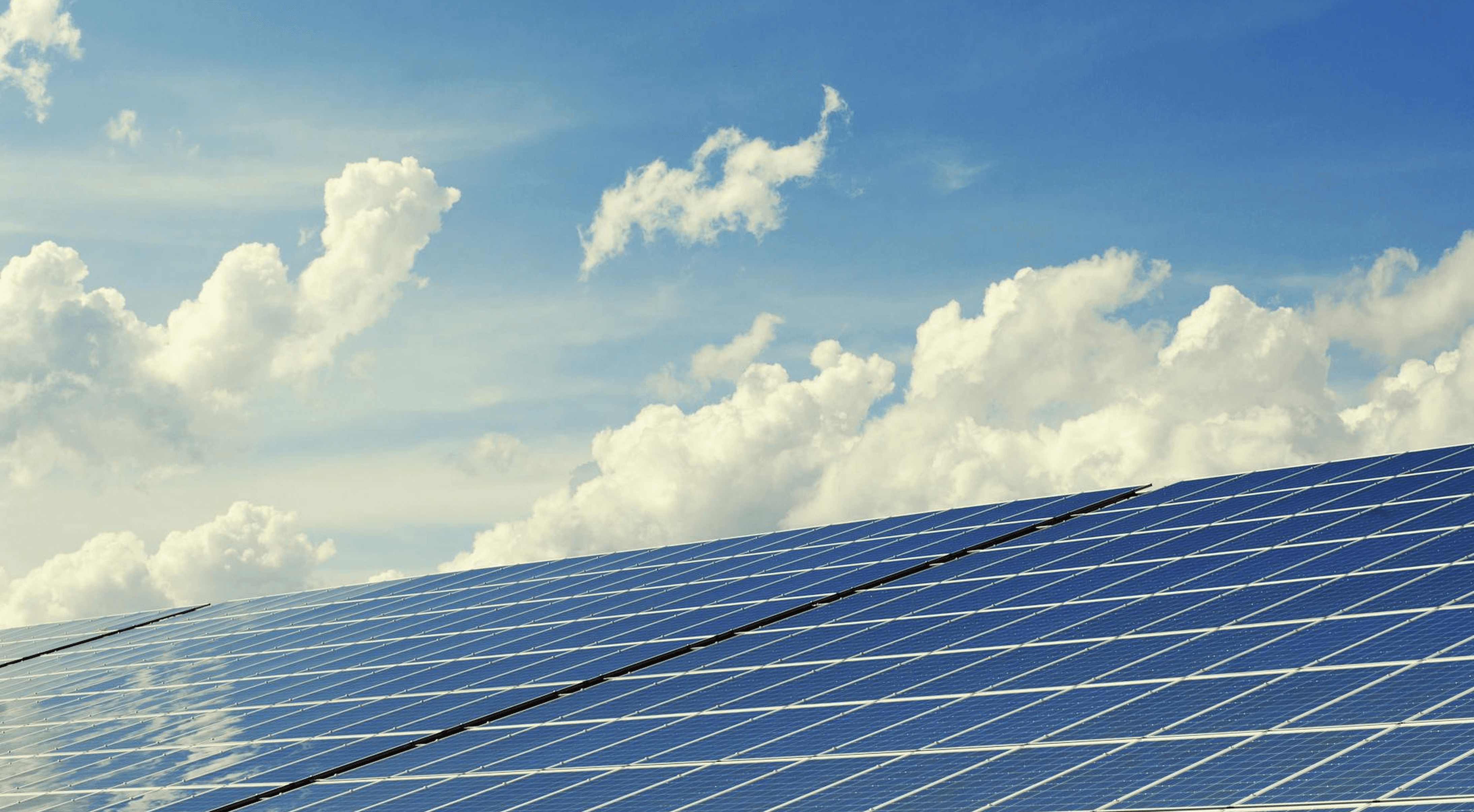
Phase 3: Installation – Mounted solar panels, connected inverters, and integrated the system with the plant’s existing power grid. Safety measures were implemented to ensure secure installation.
Phase 4: Testing and Commissioning – Performed rigorous testing to validate energy output, system stability, and seamless integration with plant operations.
Challenges and Solutions
Structural Limitations: The existing rooftop had structural constraints, limiting the weight that could be added. This challenge was addressed by using lightweight, high-efficiency panels and reinforcing certain areas of the roof.
Weather Dependencies: The variability of sunlight due to weather changes was mitigated by using advanced inverters with real-time monitoring capabilities, ensuring optimal energy production even under suboptimal conditions.
Integration with Existing Systems: Compatibility issues with the plant’s existing power infrastructure were resolved by utilizing advanced inverters that provided flexible integration options.
Results and Outcomes
Energy Production: The installed solar panels generated an average of 32kWh per month, covering 20% of the plant’s total energy needs.
Cost Savings: The company reported a reduction in energy costs of approximately 50% annually, with a projected payback period of 10years.
Environmental Impact: The solar installation led to a reduction of 10tons of CO2 emissions annually, equivalent to planting 20trees or removing 12cars from the road each year.
Operational Efficiency: The plant experienced increased energy reliability and reduced exposure to energy price fluctuations, enhancing overall operational stability.
Project Duration
The installation of solar panels at the industrial plant successfully met the project’s objectives of reducing energy costs and enhancing sustainability. The project demonstrated the economic and environmental benefits of solar energy for industrial applications, providing a model for future installations in similar settings.
Related projects
Discover more related industrial solar projects and success stories