December 16, 2024

As the world accelerates toward a greener future, the demand for skilled professionals in clean energy is at an all-time high. In 2024, renewable energy education is no longer optional—it's essential for shaping the next generation of climate innovators, engineers, and policymakers.
The Rise of Green Curriculums
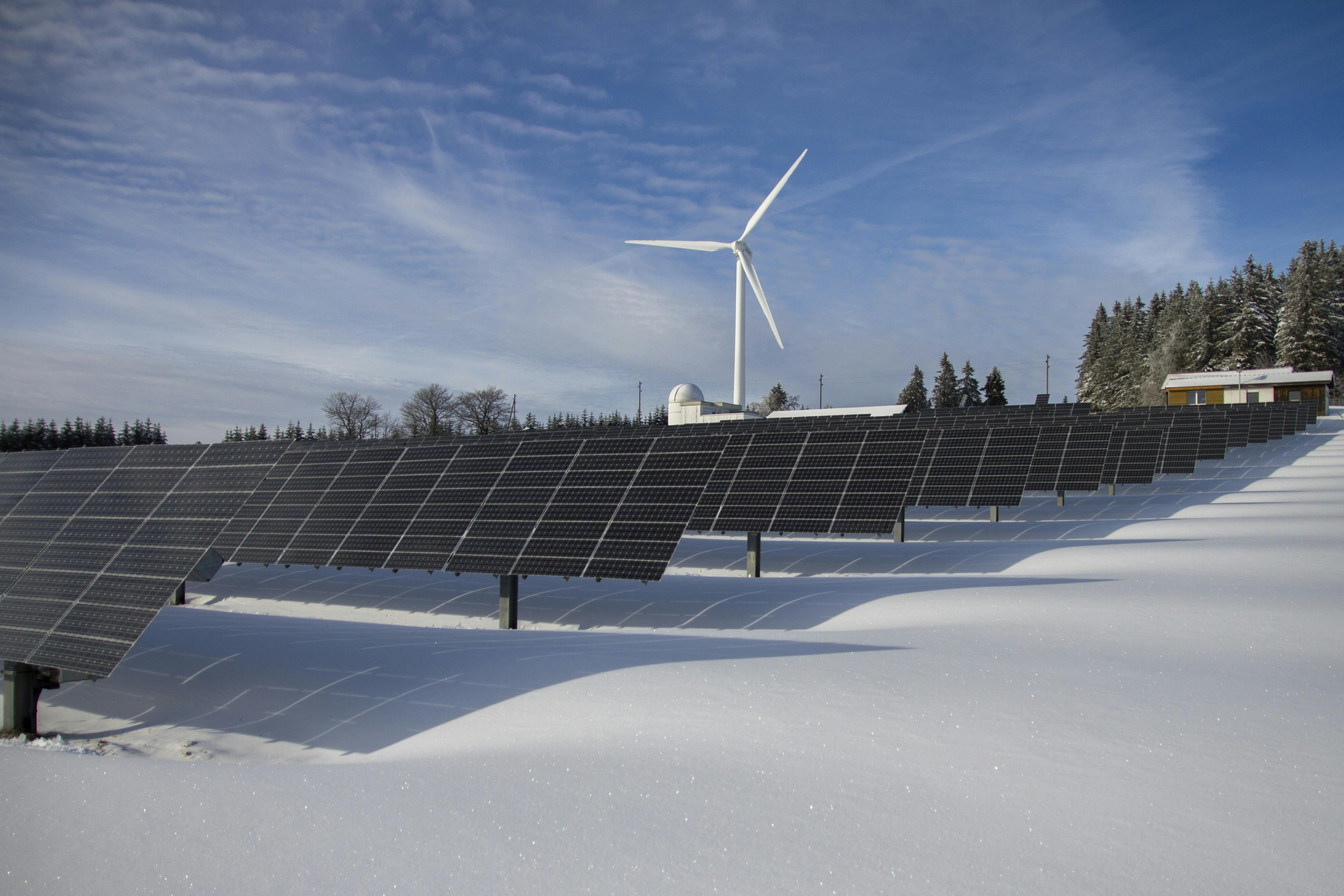
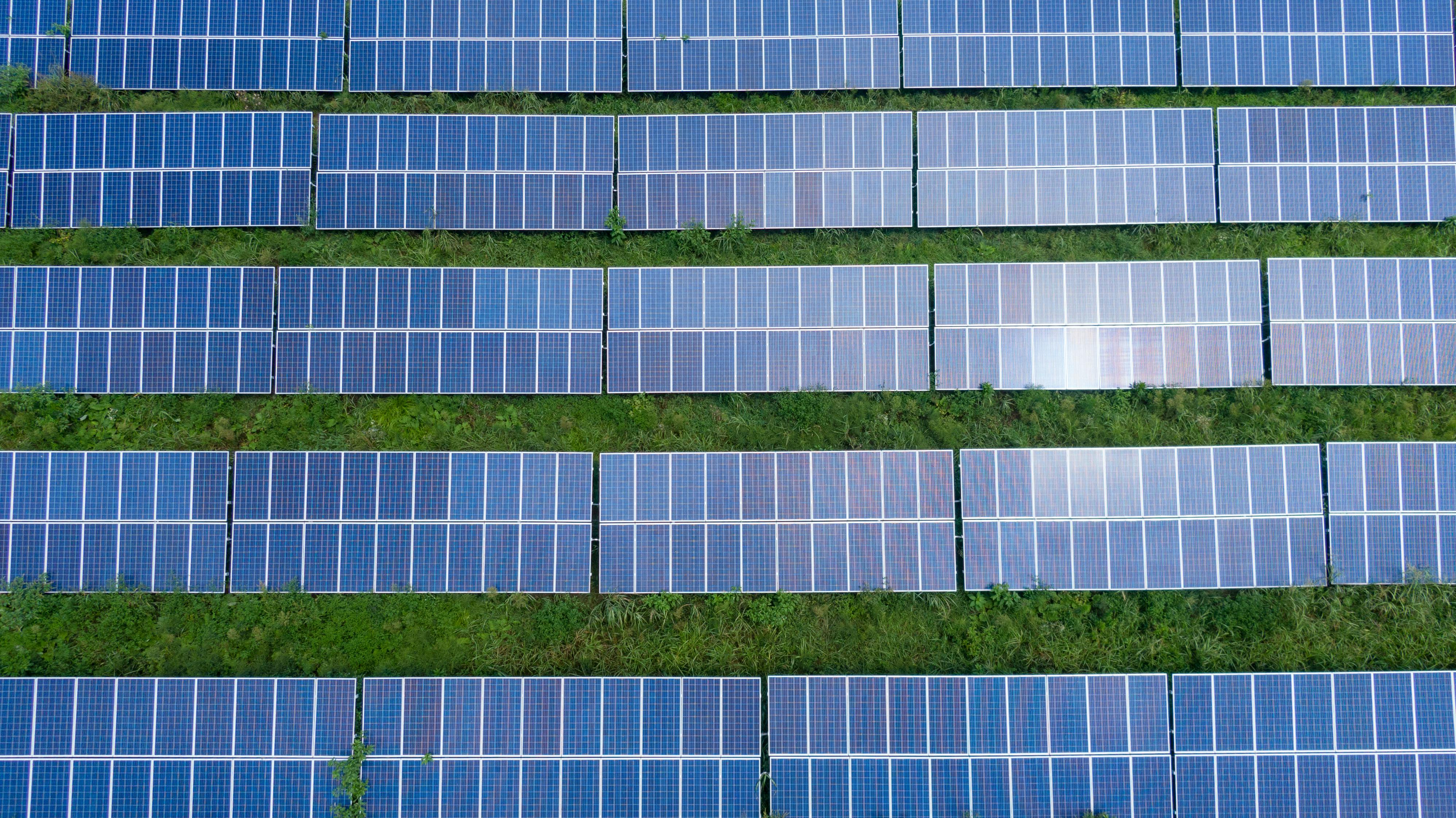
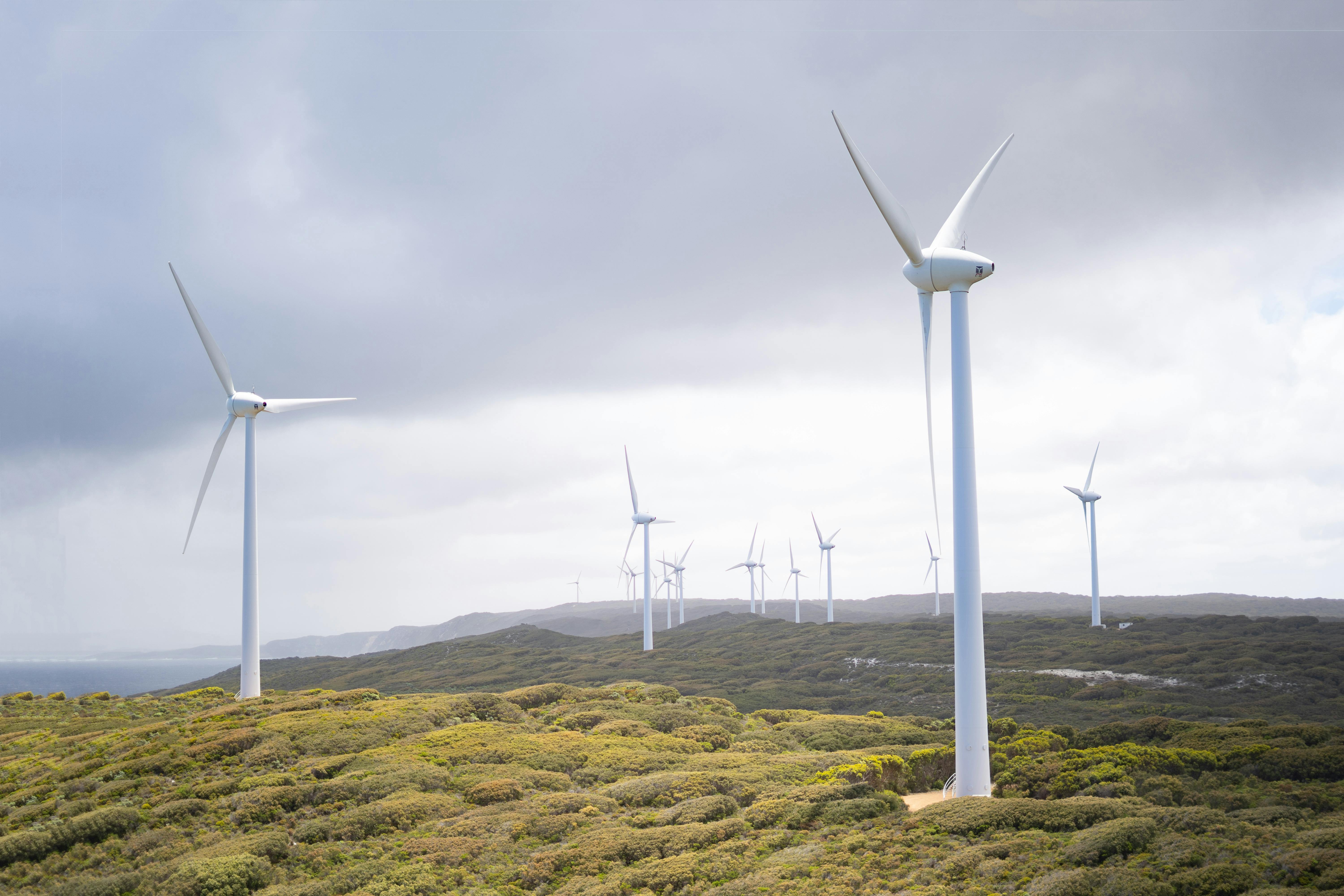
Universities and vocational schools are rapidly updating their programs to include solar technology, wind systems, battery storage, and sustainable design.
🔸 Top programs: MIT, ETH Zurich, and TU Delft now offer specialized master's degrees in renewable energy systems and grid innovation.
Learning Beyond the Classroom
Hands-on training is taking center stage:
On-site solar panel installations
Wind turbine maintenance simulations
Energy modeling labs and field trips to clean tech facilities
📍 Case Study: Kenya’s Strathmore University partners with local solar companies to provide students real-world experience on rural electrification projects.
K-12 Awareness & Youth Involvement
Education starts early. Across the globe:
Elementary schools host solar car building challenges
High schools launch green clubs and climate hackathons
Online platforms like Khan Academy and Coursera offer free clean energy courses for teens
Government & Industry Collaboration
Policy support and private investment are fuelling growth:
Scholarships for women in energy tech
Public-private partnerships for green apprenticeships
Curriculum grants for clean energy education in underserved areas
🌍 Notably: Germany's "Energy Transition Education Act" mandates climate literacy as part of all secondary education by 2026.
Challenges & The Way Forward
Despite progress, gaps remain:
Lack of qualified instructors in rural regions
Limited funding for technical equipment
Slow curriculum updates in traditional systems
But with continued innovation and investment, education will be the catalyst for a future run on renewable energy.
Final Thought
The path to a sustainable planet begins in the classroom. By investing in renewable energy education today, we're equipping tomorrow's leaders with the tools to power a cleaner, smarter world.
🎓 The future is bright—and it’s solar powered.
Others blog
A deep dive into the latest solar tech trends that are poised to shape the future of energy.